Trusted  Gynaecologist in Mohali

Comprehensive Women’s Health with a Leading Gynaecologist in Mohali

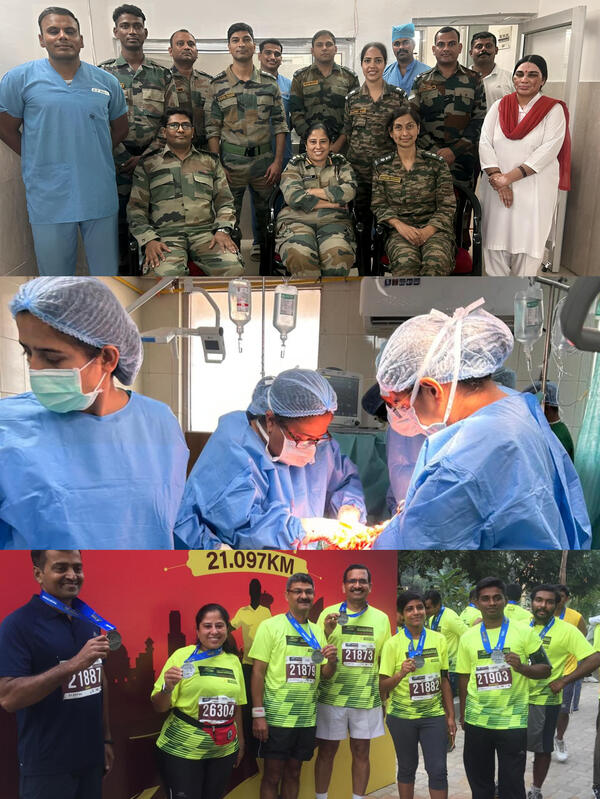
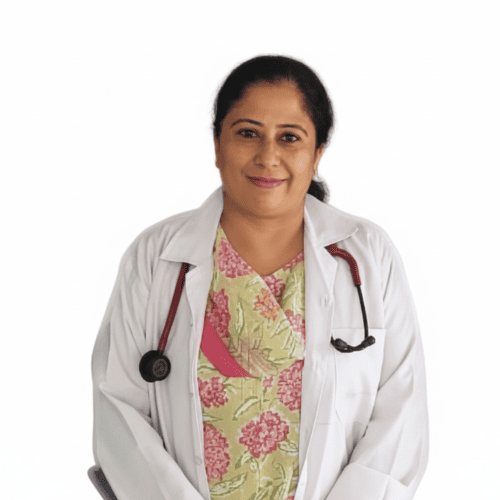
Col. Dr. Arvinder Heer is a seasoned Obstetrician & Gynaecologist with 22+ years of service at Army Hospital Chandimandir. She blends disciplined clinical protocols with compassionate, individualized care—covering advanced laparoscopic surgeries, open procedures, and full‑spectrum pregnancy care.

Book Appointment View Services
Col. Dr. Arvinder Heer – Gynaecologist in Mohali

About Col. Dr. Arvinder Heer

With 22 years of experience in Obstetrics & Gynaecology, Col. Dr. Arvinder Heer has led and delivered care across diverse, high‑acuity settings. Her training and leadership at Army Hospital Chandimandir honed advanced decision‑making, evidence‑based protocols, and a calm, team‑centred approach—qualities that directly benefit patients in Mohali today.

From minimally invasive laparoscopic procedures to complex open surgeries and high‑risk obstetrics, she provides clear counselling, precise diagnosis, and pragmatic treatment plans with safety and outcomes as top priorities.

Academically, Dr. Arvinder Heer holds an MBBS from Jawahar Lal Nehru Medical College, Belgaum, and both MS and DNB in Obstetrics & Gynecology from the prestigious Armed Forces Medical College, Pune. She has been actively involved in teaching undergraduate and postgraduate students for over two decades and is a life member of FOGSI, ISAR, IAGE, and OGS societies. Her research work has been published in leading medical journals such as URCOG and the Asian Journal of Pharmaceutical and Clinical Presentation. She has also delivered numerous talks and chaired sessions at national and international conferences.

Recognized for her extraordinary service, Dr. Heer has received the Chief of Army Staff Commendation for dedication to duty and excellence in October 2023. She also topped the Medical Officers Basic Course, reflecting her outstanding leadership and professional commitment. Her contributions extend beyond clinical practice to organizing CME programs, preventive oncology camps, and maternal health initiatives, all focused on reducing maternal morbidity and mortality in India.

Beyond her professional life, Dr. Heer is an avid runner, swimmer, and traveler, embodying her belief in balance and holistic living. Her passion for animals and outdoor activities complements her compassionate personality, making her not only a skilled surgeon and teacher but also a deeply empathetic human being. With her vast experience, academic brilliance, and heartfelt approach to medicine, Dr. Arvinder Kaur Heer continues to inspire both her peers and the next generation of medical professionals.

best gynaecologist in Mohali Dr. Arvinder Heer

What Sets Her Apart from Other Gynaecologists

22+ Years

Depth of Experience

Seasoned judgement built across thousands of cases—from routine to complex—translates into safer, faster decisions and smoother recoveries.

Army‑grade

Protocol‑Driven Care

Disciplined clinical pathways, meticulous infection control, and rigorous follow‑up—refined at Army Hospital Chandimandir.

Minimally Invasive

Laparoscopic Expertise

Focus on smaller incisions, less pain, quicker return to activity, where appropriate, without compromising thoroughness.

Patient‑Centric

Clear Communication

Time for questions, transparent options, and shared decision‑making with written aftercare plans you can trust.

Continuity

From Preconception to Postpartum

Complete obstetric care, including high‑risk pregnancies and delivery planning tailored to your needs.

Safety First

Outcomes & Quality

Evidence‑based medicine guides investigations, theatre planning, anaesthesia liaison, and recovery milestones.

Clinical Services

Gynaecology

  • Fibroids, cysts & endometriosis
  • Abnormal bleeding & pain
  • Fertility‑focused evaluation

Laparoscopic Surgery

  • Diagnostic & operative laparoscopy
  • Laparoscopic hysterectomy/myomectomy
  • Adhesiolysis & ovarian procedures

Obstetrics

  • Preconception & antenatal care
  • Normal & assisted deliveries
  • High‑risk pregnancy management

Procedures – Detailed Sections

Surgery

Abdominal Hysterectomy

Removal of the uterus through an abdominal incision. Indications include symptomatic fibroids, adenomyosis, severe bleeding disorders, or precancerous changes where uterus‑preserving options are unsuitable. Pre‑operative optimization and anaesthesia planning are personalised. Recovery protocols focus on early mobilization, pain control, and DVT prevention.

Surgery

Abdominal Myomectomy

Uterus‑preserving removal of fibroids for women seeking fertility or uterine conservation. Care includes myoma mapping, haemostatic techniques, layered closure, and counselling on future pregnancy and delivery planning.

Procedure

Abortion / Medical Termination of Pregnancy

Evidence‑based, lawful, and confidential care aligned with national guidelines. Options include medical or surgical methods based on gestational age and patient preference after counselling. Emphasis on safety, analgesia, and contraception planning post‑procedure.

Surgery

Exploratory Laparotomy

Indicated for complex pelvic pathology, acute abdomen, or when minimally invasive access is unsuitable. The approach prioritizes diagnosis, definitive management, and restoration of anatomy with vigilant post‑operative care.

Surgery

Vaginal Surgeries

Includes pelvic floor repairs, prolapse correction, and other reconstructive procedures via the vaginal route—aimed at faster recovery and minimal scars when criteria are met.

Surgery

Vaginal Hysterectomy

Removal of the uterus through the vaginal route for select indications such as prolapse or benign disease, offering less post‑operative discomfort and quicker return to routine.

Procedure

Bartholin’s Cyst Marsupialization

Creation of a new, permanent opening to drain recurrent Bartholin’s cysts/abscesses, reducing recurrence while maintaining comfort and function.

Minimally Invasive

All Laparoscopic Gynaecological Procedures

Diagnostic and operative laparoscopy for ovarian cysts, endometriosis, adhesions, ectopic pregnancy (where appropriate), hysterectomy, myomectomy, and fertility‑enhancing surgeries. Benefits include smaller incisions, reduced pain, shorter hospital stay, and faster recovery.

Obstetrics

Obstetric Procedures & Deliveries

Comprehensive antenatal care, normal vaginal delivery, assisted delivery when indicated, and Caesarean section. Specialist management of obstetrical complications including hypertension, diabetes, placenta previa/accreta, preterm labour, multiple pregnancy, and postpartum haemorrhage with protocol‑driven emergency readiness.

Why Choose Her – Your Gynaecologist in Mohali

How Her Vast Experience Makes Her the Best Gynaecologist in Mohali

For over two decades, Col. Dr. Arvinder Heer served at Army Hospital Chandimandir, where clinical volume and complexity are high and multidisciplinary teamwork is the norm. This environment honed decisive leadership, refined surgical skill, and a culture of safety. Today, patients in Mohali benefit from the same disciplined protocols—from pre‑operative checklists to post‑operative rehabilitation and obstetric emergency preparedness. Her vast exposure to diverse pathologies ensures you receive accurate diagnosis, tailored treatment, and dependable continuity of care.

The disciplined protocols, clinical exposure, and multidisciplinary collaboration of the Indian Army medical system have profoundly shaped her professional ethos. She brings the same level of efficiency, empathy, and ethical practice to her civilian patients in Mohali, ensuring that every woman receives personalised, evidence-based care.

Her vast experience allows her to anticipate complications early, create safe birth plans, and perform surgeries with superior accuracy. From pre-operative counselling and checklist-based preparation to post-operative recovery and long-term follow-up, her workflow prioritises safety, patient comfort, and continuity of care.

Today, patients describe Col. Dr. Heer not just as a doctor, but as a dependable guide through every phase of womanhood—be it adolescence, pregnancy, menopause, or surgery. Her combination of clinical excellence and compassionate communication makes her truly stand out as one of the best Gynaecologists in Mohali, trusted by families across the Tricity region.

FAQs – Gynaecologist in Mohali

1) When should I consult a Gynaecologist in Mohali for abnormal bleeding or pelvic pain?

Seek a consultation if bleeding is unusually heavy, lasts more than seven days, occurs between periods, or if you experience post‑menopausal bleeding. Pelvic pain that is severe, persistent, or cyclical with menses warrants evaluation as well. Causes range from fibroids, adenomyosis, endometriosis, and ovarian cysts to infections or hormonal imbalance. Col. Dr. Arvinder Heer follows a stepwise, evidence‑based workup: detailed history, examination, targeted labs, and ultrasound—adding MRI or hysteroscopy only when indicated. The goal is to identify the exact cause and match the least invasive, most effective treatment to your plans for fertility and recovery timeline. Medical therapy may control symptoms; minimally invasive laparoscopy can treat endometriosis, cysts, or select fibroids; open surgery is reserved for complex or bulky disease. Timely diagnosis prevents anaemia, pain escalation, and reduced quality of life. If you are trying to conceive, early assessment helps preserve fertility. If your symptoms suddenly worsen (e.g., fainting, fever, acute severe pain), emergency care may be needed. In short: do not normalise abnormal bleeding or pain—specialist input leads to safer, faster relief.

2) How do laparoscopic procedures differ from open surgery, and which is right for me?

Laparoscopy uses tiny incisions and a camera to visualise and treat gynaecological conditions. Benefits include less pain, shorter hospital stay, reduced scarring, quicker return to activity, and often lower overall complication rates. Open surgery (laparotomy) uses a larger incision, which can be advantageous for very large fibroids, extensive adhesions, complex pelvic anatomy, or when cancer is suspected and complete access is necessary. The best approach depends on your diagnosis, uterine size, prior surgeries, BMI, co‑morbidities, and your goals (such as fertility). Col. Dr. Arvinder Heer discusses options transparently—covering expected outcomes, recovery, risks, and costs—so you can make an informed choice. Pre‑operative anaesthesia review and optimisation improve safety. For many benign conditions, laparoscopy offers comparable results with faster recovery, but surgery is always individualized. Sometimes a laparoscopy may need conversion to open for safety; this is planned for and discussed in advance. Ultimately, the decision balances minimal invasiveness with completeness of treatment, prioritising outcomes and long‑term wellbeing.

3) What should I expect during pre‑operative counselling and recovery after surgery?

Pre‑operative counselling covers your diagnosis, surgical plan, anaesthesia, alternatives, risks, and expected recovery. You will receive instructions on fasting, regular medications, and any specific preparations (e.g., stopping blood thinners when advised). Labs, ECG, and imaging may be repeated to ensure fitness. On the day of surgery, a safety checklist, antibiotics (as indicated), and DVT prevention protocols are followed. Post‑operatively, pain control, early mobilisation, deep breathing exercises, and fluid/nutrition plans help recovery. You will be given a written discharge summary with wound‑care instructions, red‑flag symptoms, and follow‑up schedule. Most laparoscopic patients resume light activity quicker; open procedures require more time for tissue healing. Avoid heavy lifting until cleared. Report fever, increasing pain, foul discharge, bleeding, or leg swelling immediately. Col. Dr. Heer’s team remains accessible for queries, and follow‑up visits review histopathology (if any), assess healing, and adjust medications. The goal is to minimise complications and restore function safely while maintaining comfort and confidence throughout the process.

4) Is medical termination of pregnancy (abortion) safe and legal, and how is privacy maintained?

When performed by a qualified specialist under approved protocols, medical termination of pregnancy is a safe, legal procedure. Eligibility and method depend on gestational age, health status, and informed preference. Options include medications within specific time frames or a brief surgical procedure under anaesthesia. Counselling covers effectiveness, possible side‑effects, bleeding expectations, pain relief, and contraception choices post‑procedure. Confidentiality is strictly maintained: your records are protected, and compassionate, non‑judgmental care is standard. Screening for Rh status, infections, and anaemia enhances safety. You’ll receive written instructions and a 24/7 contact for red‑flags (heavy prolonged bleeding, fever, severe pain). A follow‑up ensures complete resolution and wellbeing. Choosing a senior gynaecologist in Mohali like Col. Dr. Heer provides you with lawful, ethical, and respectful care that prioritises your health and future reproductive choices.

5) Can I preserve fertility if I have fibroids, endometriosis, or ovarian cysts?

Yes. The approach is tailored to diagnosis, age, ovarian reserve, and your timeline for conception. Fibroids that distort the cavity or cause symptoms may be treated with myomectomy (laparoscopic or open) while conserving the uterus. Endometriosis often benefits from laparoscopic excision/ablation to relieve pain and improve fertility; adjunct medical therapy may help. Ovarian cysts are carefully assessed by ultrasound scoring; benign cysts may be observed, aspirated, or removed with ovary preservation (cystectomy). Throughout, Col. Dr. Heer coordinates with fertility goals in mind—minimising thermal damage, preserving ovarian tissue, and planning timed attempts at conception or referral when appropriate. Nutritional optimisation, correction of anaemia, and control of associated conditions (thyroid disorders, diabetes) further support outcomes. Early, precise treatment maximises chances while reducing complications.

6) How are high‑risk pregnancies managed, and what makes care “high‑risk”?

Pregnancies are termed high‑risk when maternal or foetal factors increase the likelihood of complications. Examples include hypertension, diabetes, thyroid disease, obesity, multiple pregnancy, previous preterm birth, placenta previa/accreta, growth restriction, advanced maternal age, or prior uterine surgery. Management requires structured antenatal visits, targeted investigations, and clear birth planning with contingency steps. Col. Dr. Heer’s army‑grade protocols emphasise early risk stratification, medication optimisation, nutrition, vaccine schedules, foetal surveillance (growth scans, dopplers, NSTs), and timely intervention. Delivery location and mode are planned in advance, with readiness for postpartum haemorrhage, neonatal care, and ICU support if needed. Communication ensures you understand warning signs (headache, visual changes, reduced movements, bleeding) and when to seek help. The objective is a healthy mother‑baby outcome while preserving a positive birth experience.

7) What are the benefits and risks of vaginal hysterectomy compared with abdominal routes?

Vaginal hysterectomy removes the uterus through the vaginal route and often allows faster recovery, less pain, and no abdominal scar. It suits women with uterine prolapse or select benign conditions where uterine size and anatomy permit safe access. Abdominal hysterectomy provides wider exposure for very large uteri, significant adhesions, or when concurrent procedures are required. Laparoscopic‑assisted vaginal hysterectomy blends benefits, offering minimally invasive support. Risks for all routes include bleeding, infection, injury to adjacent organs, and anaesthesia‑related events, though overall risk remains low with experienced surgeons. Col. Dr. Heer evaluates your anatomy, symptoms, and future needs to recommend the safest option with the best functional outcome. Pre‑op optimisation and meticulous technique help minimise complications, while enhanced recovery pathways speed return to daily life.

8) How soon can I resume work and exercise after gynaecological surgery?

Recovery time varies by procedure and individual healing. After laparoscopy, many patients resume desk work within 7–14 days and light walking within days, increasing activity as comfort allows. Heavy lifting and core‑intense workouts usually wait 4–6 weeks. After open surgery, tissue healing requires more time—desk work may resume at 3–4 weeks and heavier activity at 6–8 weeks, depending on your surgeon’s advice. Listen to your body, progress gradually, and attend follow‑ups where incisions and recovery milestones are checked. Nutrition, hydration, iron optimisation, and good sleep improve healing. Report red‑flags promptly (fever, increasing pain, discharge, wound gaping, calf swelling). A personalised plan from Col. Dr. Heer ensures safety while helping you return to routine as early as possible.

9) What preventive care should women prioritise at different ages?

Preventive gynaecologic care evolves with life stages. In the 20s–30s, focus on HPV vaccination, cervical screening (Pap/HPV tests per guidelines), STI screening when indicated, and contraception counselling. Preconception care includes folic acid, anaemia and thyroid checks, and rubella status. In the 40s–50s, monitor perimenopausal symptoms, menstrual changes, metabolic health (BP, lipids, glucose), and continue cervical/breast screening. Post‑menopause, evaluate bone health (vitamin D, calcium, DEXA as advised), urogenital symptoms, and cardiovascular risk. Across ages, maintain a healthy weight, regular exercise, balanced vegetarian diet if preferred, limit alcohol/tobacco, manage stress, and prioritise sleep. Col. Dr. Heer’s preventive plans are personalised to risks, family history, and goals—helping women in Mohali stay healthy proactively.

10) How do I choose the best Gynaecologist in Mohali for my needs?

Look for a combination of experience, communication, and capability. Verify years in practice, surgical volumes, and comfort with both laparoscopic and open approaches so your treatment is tailored rather than limited by technique. Evaluate communication style—does the doctor listen, explain options, share written plans, and encourage questions? Assess the care ecosystem: anaesthesia, nursing, NICU access, and emergency readiness—crucial for high‑risk obstetrics and complex surgery. Consider convenience (location, appointment availability) and transparency on costs. Col. Dr. Arvinder Heer brings 22+ years from Army Hospital Chandimandir, protocol‑driven safety, and comprehensive services under one umbrella. Schedule a consult, share your goals, and expect a clear, personalised plan that prioritises outcomes and comfort.

Contact & Clinic Location

Reach Out

Service Area: Mohali & Tricity
Hospital: Shalby Hospital, Mohali

Phone: +91‑8283804197
Email: arvinderheer19@gmail.com

Hours: Mon–Sat (by appointment)

Book an Appointment

Dr. Arvinder heer contact phone number

Latest Blogs

Call Now